Do YouTube Ads Actually Work? (Experiment)...
Summary
An experiment tested the effectiveness of YouTube ads by offering a $100 reward to 25,000 viewers who would meet in Boston. The ad creative focused on a compelling hook, trust-building alibi, and clear call to action. Despite high ad engagement, the conversion rate to physical attendance was extremely low, questioning the overall efficacy of YouTube ads for direct action.
Key Takeaways
- 1YouTube ads are skippable after 5 seconds, requiring an immediate, compelling hook (00:28).
- 2The PICK formula (Personalization, Irresistible Offer, Call to Action) effectively captures viewer attention (00:35).
- 3Building trust (the 'alibi') is crucial for offers that seem too good to be true, explaining the 'why' behind the offer (00:50).
- 4A clear, final call to action (the 'ask') directs viewers on how to claim the offer (01:05).
- 5The experimental ad performed 80% better than average YouTube ads, with 58% of viewers watching the entire video (01:35).
- 6Out of 25,000 ad views, only 5 people showed up, resulting in a 0.02% conversion rate for physical attendance (03:55).
- 7Organic creator sponsorships are suggested as a more cost-effective and human alternative to traditional YouTube ads for building genuine audience relationships (04:20).
Experiment Setup: Testing YouTube Ad Efficacy
The experiment aimed to determine if YouTube ads are as effective as marketers claim, given that many users skip them . The goal was to drive attendance to an annual conference, HFS Evolve. An ad was created and shown to 25,000 strangers, offering a $100 reward for meeting in Boston .
To prevent system gaming, 10 unique ads were created, each with a distinct secret code. This setup allowed for tracking which ad variant led to a conversion and ensured fairness in the giveaway . The experiment sought to measure not just ad viewership, but actual physical attendance as a direct conversion metric.
The Ad Creative Formula: Hook, Alibi, Ask
The ad creative was designed to combat ad skipping, focusing on three key elements. The 'hook' is critical within the first 5 seconds to prevent skips. The PICK formula was used:
- Personalization (e.g., 'If you're in Boston')
- Irresistible Offer ('$100 Amazon gift card')
- Call to Action ('listen carefully') The 'alibi' builds trust by explaining the reason behind the offer, especially when it seems too good to be true. In this case, the alibi was to explain the experiment's purpose: to see if people pay attention to YouTube ads . This transparency aimed to instill legitimacy and reduce viewer skepticism.
Finally, the 'ask' is the clear, final call to action, detailing exactly what viewers need to do. For this experiment, it involved remembering a secret word ('meta'), finding the host at a specific location (Parkman Bandstand in Boston Common), date (Thursday, August 28th), and time (** p.m.** to ** p.m.**) .
Ad Performance and Conversion Results
The ad's initial performance was promising, outperforming the average YouTube ad by 80%. A significant 58% of viewers watched the entire video, indicating strong engagement with the creative . This suggested the ad was effective at holding attention.
However, the true test was the conversion to physical attendance. Out of 25,000 views, only 5 people showed up to claim the $100 gift card . This resulted in an extremely low conversion rate of 0.02%. The low turnout was surprising, especially given the high ad engagement and the value of the offer .
Winners came from different ad codes, indicating that the unique codes worked as intended. One person who showed up for a code that was already claimed received a Starbucks gift card instead . The experiment concluded with 5 winners out of 10 available gift cards.
Implications for YouTube Ads and Alternative Strategies
The experiment suggests that while YouTube ads can capture attention, they may not be effective for driving direct, high-effort conversions like physical attendance. Despite brands spending billions on YouTube ads, the low conversion rate observed indicates a potential disconnect between ad viewership and actionable results .
YouTube ads are often disruptive by design, leading to 'ad blindness' where users skip them or ignore their content. This makes it challenging for brands to achieve meaningful engagement beyond initial views .
An alternative proposed is organic creator sponsorships. This approach involves allocating ad budgets directly to creators, fostering genuine relationships, and leveraging their access to target audiences. This method is considered more cost-effective and human, potentially leading to better brand movement than traditional, disruptive YouTube ads .
FAQ
What is the main insight from Do YouTube Ads Actually Work? (Experiment)?
An experiment tested the effectiveness of YouTube ads by offering a $100 reward to 25,000 viewers who would meet in Boston. The ad creative focused on a compelling hook, trust-building alibi, and clear call to action. Despite high ad engagement, the conversion rate to physical attendance was extremely low, questioning the overall efficacy of YouTube ads for direct action. One important signal is: YouTube ads are skippable after 5 seconds, requiring an immediate, compelling hook (00:28).
Which concrete step should be tested first?
YouTube ads are skippable after 5 seconds, requiring an immediate, compelling hook (00:28). Define one measurable success metric before scaling.
What implementation mistake should be avoided?
Avoid skipping assumptions and execution details. The PICK formula (Personalization, Irresistible Offer, Call to Action) effectively captures viewer attention (00:35). Use this as an evidence check before expanding.
Related Summaries
S15 E7: More Website Design Lessons From the Best Brands

What Is Semrush? (What Is SEMRush And What Does It Do?)

Email Marketing For Beginners 2026 (Step-by-Step Guide)

You're Wasting Money Trying to Get B2B Clients
Email Marketing Tutorial for Beginners (2026)
Free Course How To Make $100k A Month AI Static Image Ads Step-By-Step

How To Build A $250k A Month Business With AI

Omnisend Tutorial for Beginners 2026 (Campaigns, SMS & Automations)

Watch This If You Have a Service Business

The Blueprint to Monetize on YouTube From Day 1

How To Get Members (Traffic Sources) | Skool News #46
S15 E9: The Next Era of DTC

The Next Era of DTC

3 Storytelling Email Frameworks That Make People Want More

Before You Fix Your Sales Team, Fix THIS First | The Bedros Keuilian Show E0179

The $3.7 Billion Subscription Machine: How Hims & Hers Disrupted American Healthcare

The DTC Playbook Behind RYZE's $600M Mushroom Coffee Empire
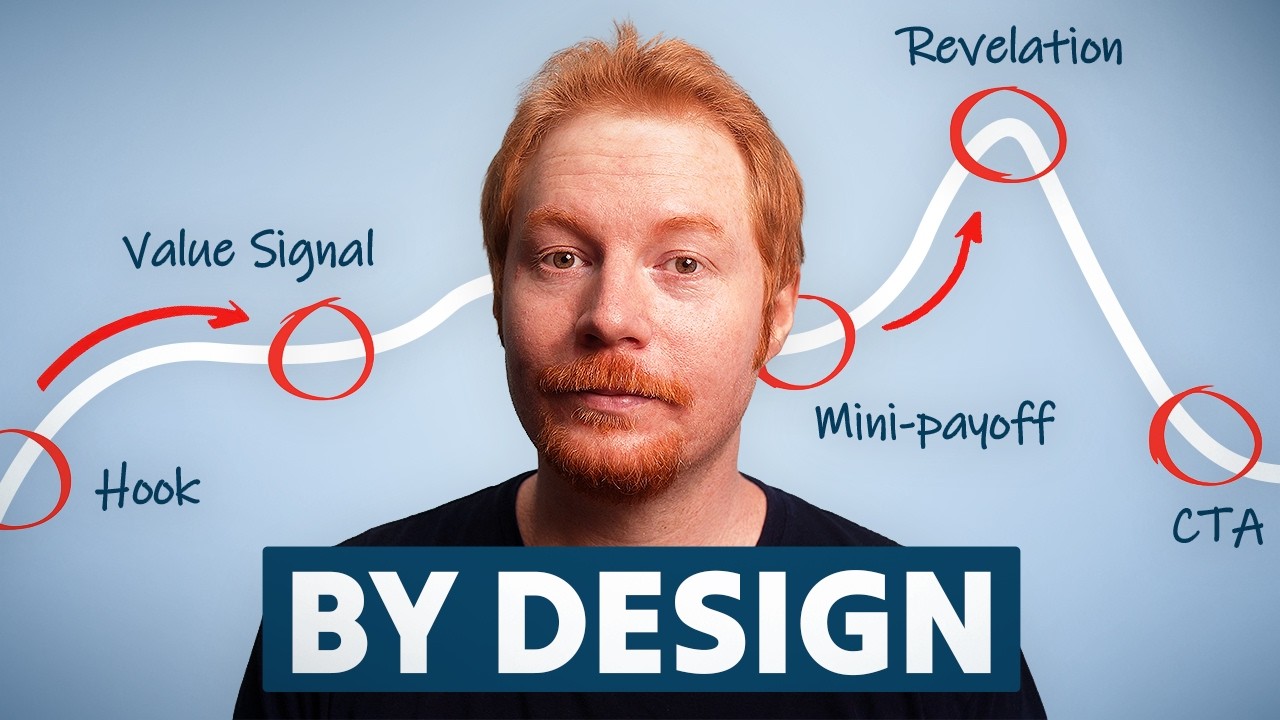
Why Some YouTube Videos Are Impossible to Stop Watching

Website Design Lessons From the Best Brands
