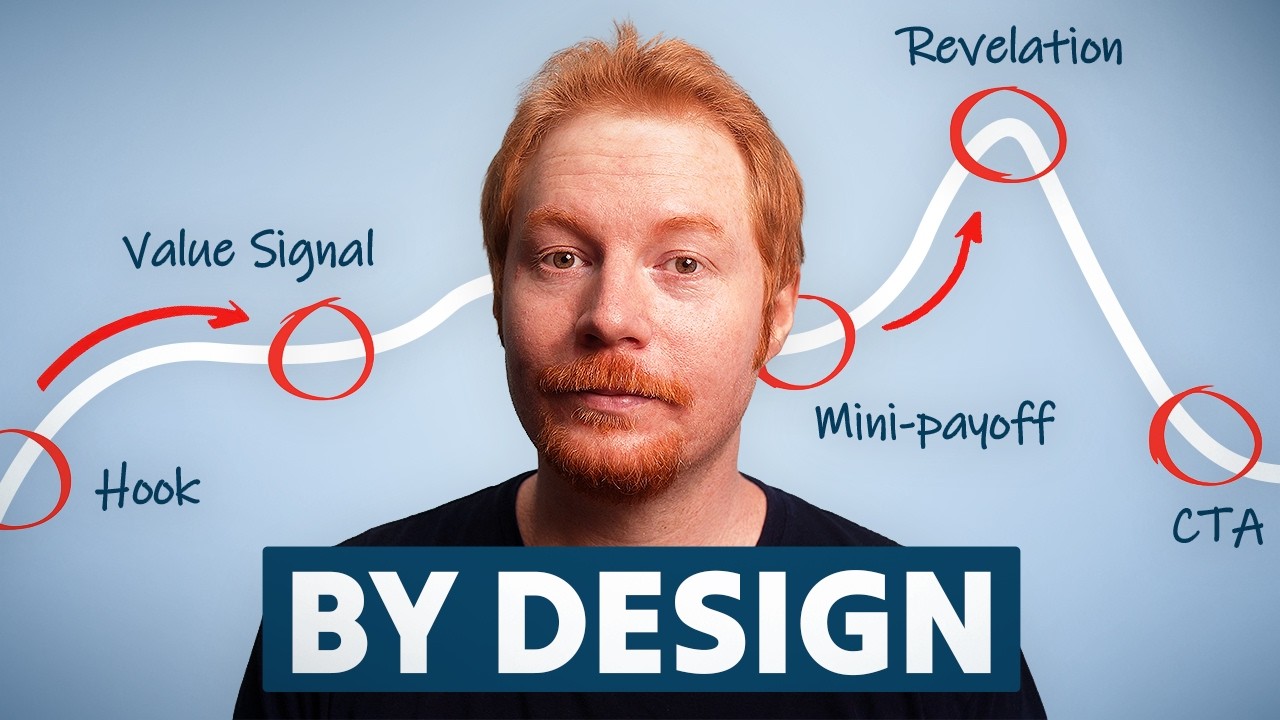
Future of DTC: AI & Efficiency for E-commerce Growth
Summary
The e-commerce landscape is shifting towards greater efficiency and agility, driven by AI and a focus on lean operations. Brands must balance performance marketing with strategic brand building, moving beyond traditional ad channels to integrated storytelling. The future favors businesses that can adapt quickly, leverage AI for productivity, and maintain a strong brand identity in an increasingly commoditized market.
Key Takeaways
- 1The 'DTC guy' persona emerged from being in the right place at the right time during direct-to-consumer's rise, leveraging early ad tech and social media expertise.
- 2E-commerce growth has evolved from SEO and PPC to Meta and TikTok, but fundamentals like acquisition and retention remain consistent.
- 3Modern successful DTC brands, like Jolie, prioritize efficiency, focus on 2-3 core channels, and optimize for customer experience and churn reduction.
- 4AI is transforming e-commerce by enabling faster execution and building from scratch, predicting a future with $100 million brands run by 1-2 people.
- 5Brands often fail between $1-5 million or $20-30 million revenue due to poor cash management, vendor selection, or inability to shift from performance-only marketing to brand building.
- 6Performance branding, combining measurable performance marketing with strategic brand building, is crucial for sustained growth and brand equity.
- 7The expectation for productivity in e-commerce roles is rapidly increasing due to AI, requiring professionals to be well-versed in diverse tools and strategies.
The Origin of the 'DTC Guy'
The 'DTC guy' moniker originated from an AdWeek interview where the speaker was labeled as such, which then ranked highly in search results. This accidental branding coincided with the rapid growth of direct-to-consumer e-commerce, establishing the speaker's expertise in the field.
His background includes ad tech from 2014-2016, focusing on programmatic advertising, which led to an interest in paid social and search due to their reliability. Early work involved helping internet publishers drive traffic from Facebook, honing skills in clickbait and user psychology. This experience was crucial when Facebook's algorithm changes in 2016 banned clickbait, prompting a shift to consulting for a beverage brand, Hint, where he applied his paid social knowledge to drive significant revenue.
Evolution of Digital Growth Channels
The digital growth landscape has seen various phases, from early SEO manipulation and PPC to the rise of Meta and TikTok. While channels evolve, core objectives like customer acquisition, retention, and reducing churn remain constant. The journey to achieve these goals has significantly changed, with a focus on efficiency and speed.
Modern brands, exemplified by companies like Jolie, are highly optimized, using blazing-fast websites and concentrating on a few effective channels. They prioritize customer experience and churn reduction, contrasting with older brands that often accumulate numerous pixels and tools, leading to distraction and inefficiency. This lean approach allows for rapid execution and resource allocation.
AI's Impact on Brand Efficiency
AI is a major factor driving increased efficiency in e-commerce. While earlier AI attempts in supply chain prediction often failed, the current wave of agentic AI allows for building things from scratch, such as brand books, websites, and apps. This accelerates brand development and operational speed.
This shift means brands can operate with significantly smaller teams. The prediction is that a $100 million brand could be run by just one or two people within the next two years, highlighting the transformative power of AI in reducing resource needs and execution time.
Common Growth Plateaus and Mistakes
Many brands struggle and fail between the $1-5 million and $20-30 million revenue ranges. Key reasons include poor cash management, selecting ineffective vendors or agencies, and a reluctance to adapt strategies. Brands often try to scale using the same tactics that brought initial success, failing to recognize the need for new approaches at higher revenue tiers.
To overcome these plateaus, brands must shift from purely lower-funnel performance marketing to incorporating brand building, content, storytelling, and product innovation. This involves tapping into new audiences and understanding diverse customer segments. Brands that don't evolve their marketing beyond performance-only tactics often hit a ceiling, leading to diminishing returns.
Performance Branding Strategy
The concept of 'performance branding' is crucial for e-commerce brands, combining the measurable aspects of performance marketing with the long-term equity building of brand marketing. Unlike traditional brand spending, which is often cut during downturns due to unclear ROI, performance branding integrates brand building into measurable channels.
This involves consistent messaging across all customer touchpoints, from ads and websites to emails and packaging. Building brand equity is a function of time, trust, and social proof. Performance branding allows brands to tell diverse stories across various publishers and personas, optimizing for purchases while simultaneously building brand recognition and loyalty.
Adapting to Market Changes and Tariffs
Market shifts, such as tariffs, have forced brands to re-evaluate their operations. Responses include quietly raising prices without significant conversion rate dips and aggressively cutting inefficient marketing spend. Many brands reduced internal and external headcount, eliminating agency partners or vendors that didn't show clear, strong results.
These challenges prompted brands to rethink their organizational structure, moving towards leaner, more intelligent teams. The trend is towards a small core team (e.g., two senior onshore roles for growth/acquisition and retention/lifecycle) supported by offshore assistants and external specialists or agentic tools. This lean model emphasizes efficiency and strategic resource allocation.
Future of E-commerce and AI Adoption
The future of e-commerce will see a continued emphasis on lean, profitable businesses, with AI playing a central role. The expectation for productivity is rapidly increasing, and individuals not adopting new AI tools risk becoming obsolete. AI solutions, like Claude, can act as a 'second brain,' consolidating data from various sources (calls, calendars, Slack, documents) to shorten decision-making processes.
This integration of AI is already leading to brands replacing third-party apps with in-house coded solutions for features like cart upsells and bundle builders. The next five years will likely see a reversal in marketing spend, with brand marketing becoming dominant as shopping becomes more intent-based and driven by brand recall. Commoditized products will struggle, while brands with strong stories and identities will thrive.
FAQ
What is 'performance branding' in e-commerce?
Performance branding combines measurable performance marketing with strategic brand building. It aims to integrate brand messaging across all customer touchpoints while optimizing for purchases, ensuring long-term brand equity alongside short-term gains.
How is AI impacting e-commerce team sizes for brands?
AI is significantly reducing the required team size for e-commerce brands. It's predicted that a $100 million brand could be run by just one or two people within the next two years, thanks to AI handling tasks like brand book creation and website development.
What are common revenue plateaus for DTC brands?
Many DTC brands fail between $1-5 million or $20-30 million revenue. This is often due to poor cash management, ineffective vendor selection, or a failure to evolve marketing strategies beyond initial lower-funnel tactics, neglecting crucial brand building.
Key Learning
Prioritize performance branding to integrate brand building with measurable marketing efforts. Leverage AI tools for tasks like brand book creation and website development to enhance efficiency and scale operations with leaner teams.
Related Summaries

The Next Era of DTC

The DTC Playbook Behind RYZE's $600M Mushroom Coffee Empire

How To Build A $250k A Month Business With AI
S15 E7: More Website Design Lessons From the Best Brands

Website Design Lessons From the Best Brands

More Website Design Lessons From the Best Brands

S15 E8: The Brand Revamp Playbook

Free Course How To Make $100k A Month AI Static Image Ads Step-By-Step

Omnisend Tutorial for Beginners 2026 (Campaigns, SMS & Automations)

Email Marketing For Beginners 2026 (Step-by-Step Guide)

Before You Fix Your Sales Team, Fix THIS First | The Bedros Keuilian Show E0179

The $3.7 Billion Subscription Machine: How Hims & Hers Disrupted American Healthcare

What Is Semrush? (What Is SEMRush And What Does It Do?)

Watch This If You Have a Service Business

The Blueprint to Monetize on YouTube From Day 1

How To Get Members (Traffic Sources) | Skool News #46

You're Wasting Money Trying to Get B2B Clients

Email Marketing Tutorial for Beginners (2026)

3 Storytelling Email Frameworks That Make People Want More