3 Email Storytelling Frameworks for Converting Subscribers
Summary
Storytelling emails are crucial for monetizing an email list and converting subscribers into customers, not just for nurturing. Combining storytelling with sales campaigns avoids exhausting the audience and sounding pushy. This approach uses specific 'story bridges' to connect any narrative to a call to action seamlessly. Mastering these frameworks helps freelancers, copywriters, and small business owners write high-converting emails that sell without being overtly salesy.
Key Takeaways
- 1Effective email marketing combines storytelling and sales campaigns to monetize lists and convert subscribers.
- 2The 'Lesson' story bridge extracts a key takeaway from a story to naturally pivot to an offer or call to action.
- 3The 'Compare and Contrast' story bridge leverages human psychology by presenting 'before vs. after' or 'problem vs. solution' scenarios to lead to a desired resolution.
- 4The 'Metaphor' story bridge connects a story to a parallel, easily understood idea, making the offer feel intuitive.
- 5A common mistake is telling a story without explicitly stating the lesson or guiding the reader's interpretation.
- 6Using story bridges helps avoid awkward transitions from a personal story to a sales pitch, making the email flow naturally.
- 7The three story bridges (Lesson, Compare and Contrast, Metaphor) are part of a larger conversion story formula for writing high-converting emails.
The Power of Storytelling Emails for Sales
Storytelling emails are not just for audience nurturing; they are a powerful tool for monetizing an email list and converting subscribers into customers. Relying solely on sales emails can exhaust an audience, while only nurturing leaves money on the table. The most effective strategy combines both storytelling and sales, creating a seamless experience that avoids sounding pushy or desperate.
The goal is to connect any story to a sale without explicit sales language. This approach is particularly valuable for freelancers, copywriters, and small business owners who write their own emails. It transforms the email list into a money-making machine by integrating value and offers naturally.
Overcoming Awkward Story-to-Sale Transitions
A common challenge in writing storytelling emails is the 'awkward cringy pivot' from a seemingly unrelated story to an offer or call to action. Many writers struggle to bridge the gap between a heartfelt narrative and the desire to sell something. This often results in an abrupt ending where the reader is suddenly asked to buy a product or service.
The solution lies in using specific 'story bridges' that naturally connect the narrative to the email's objective. These bridges guide the reader's interpretation and make the transition feel organic, eliminating the need for forced sales language. Understanding these frameworks ensures that emails end with a clear, relevant call to action rather than an uncomfortable sales pitch.
Story Bridge 1: The Lesson
The 'Lesson' story bridge is one of the simplest and most effective ways to connect a story to an offer. It involves extracting a clear lesson or takeaway from the story and using it as the pivot point to the call to action. This method ensures that the story serves a purpose beyond mere entertainment or attention-grabbing.
Most people fail by telling a story without explicitly stating the lesson, leaving interpretation subjective. By naming the specific lesson, the writer guides the reader's understanding and creates a natural pathway to the offer. For example, a story about a failed sales call can lead to the lesson that 'confidence isn't about being perfect, it's about being prepared,' which then bridges to an offer like a sales call process.
Story Bridge 2: Compare and Contrast
The 'Compare and Contrast' story bridge leverages human psychology, as people are constantly comparing different states: then versus now, pain versus possibility, before versus after, or struggle versus solution. This bridge provides the audience with a resolution by highlighting these contrasts within the story. Our brains crave resolution and seek to make sense of information, making this a powerful psychological tool.
By presenting a 'before' state (e.g., poor eating habits) and an 'after' state (e.g., improved energy with a nutrition coach), the story naturally leads to a comparison. The bridge then connects this comparison to the offer, such as equating the need for accountability in nutrition to the need for accountability in copywriting to achieve results. This makes the offer feel like the logical resolution to the presented contrast.
Story Bridge 3: Metaphor
The 'Metaphor' story bridge connects a story to a parallel idea that the audience already understands, making the transition to the offer intuitive. This bridge uses analogies to simplify complex concepts and relate them to the reader's experience. For instance, comparing sending only sales emails to only calling a friend when a favor is needed immediately communicates the imbalance.
An example involves a story about the peppered moth's adaptation during the Industrial Revolution. The metaphor connects the moth's environmental adaptation to the reader's ability to adapt and thrive in changing circumstances, such as learning new skills or growing a business. This bridge makes the offer, like joining a community for support, a natural extension of the metaphor's lesson on adaptation and perseverance.
The Three-Step Conversion Story Formula
The three story bridges (Lesson, Compare and Contrast, Metaphor) are the third step in a comprehensive conversion story formula. To write truly effective storytelling emails that sell, steps one and two are also essential. This formula helps turn everyday stories into emails that generate revenue.
This formula includes a structured approach to outlining and writing storytelling emails, often aided by AI prompts for efficiency. The goal is to create a ready-to-send, high-converting email in minutes. This holistic approach ensures that stories are not only engaging but also strategically linked to business objectives, making email marketing a powerful tool for growth.
FAQ
What is the 'Lesson' story bridge in emails?
The 'Lesson' story bridge involves extracting a clear takeaway from a narrative and using it as a pivot point to your call to action. This guides the reader's understanding, ensuring the story serves a specific purpose beyond mere entertainment.
How does 'Compare and Contrast' improve email sales?
The 'Compare and Contrast' story bridge leverages human psychology by presenting 'before vs. after' or 'problem vs. solution' scenarios. This creates a natural desire for resolution, making your offer feel like the logical answer to the presented contrast.
Why use the 'Metaphor' story bridge for conversions?
The 'Metaphor' story bridge connects your story to an easily understood, parallel idea, making your offer intuitive. By using analogies, it simplifies complex concepts and relates them directly to the reader's existing understanding and experience.
Key Learning
Implement the 'Lesson,' 'Compare and Contrast,' and 'Metaphor' story bridges into your next email campaign to transition smoothly from narrative to call to action. This will help you monetize your email list without appearing overly salesy or exhausting your audience.
Related Summaries

How To Get Members (Traffic Sources) | Skool News #46

What Is Semrush? (What Is SEMRush And What Does It Do?)

Free Course How To Make $100k A Month AI Static Image Ads Step-By-Step

How To Build A $250k A Month Business With AI

Omnisend Tutorial for Beginners 2026 (Campaigns, SMS & Automations)

Watch This If You Have a Service Business

The Blueprint to Monetize on YouTube From Day 1

Email Marketing For Beginners 2026 (Step-by-Step Guide)

You're Wasting Money Trying to Get B2B Clients
Email Marketing Tutorial for Beginners (2026)
S15 E9: The Next Era of DTC

The Next Era of DTC

Before You Fix Your Sales Team, Fix THIS First | The Bedros Keuilian Show E0179

The $3.7 Billion Subscription Machine: How Hims & Hers Disrupted American Healthcare

The DTC Playbook Behind RYZE's $600M Mushroom Coffee Empire
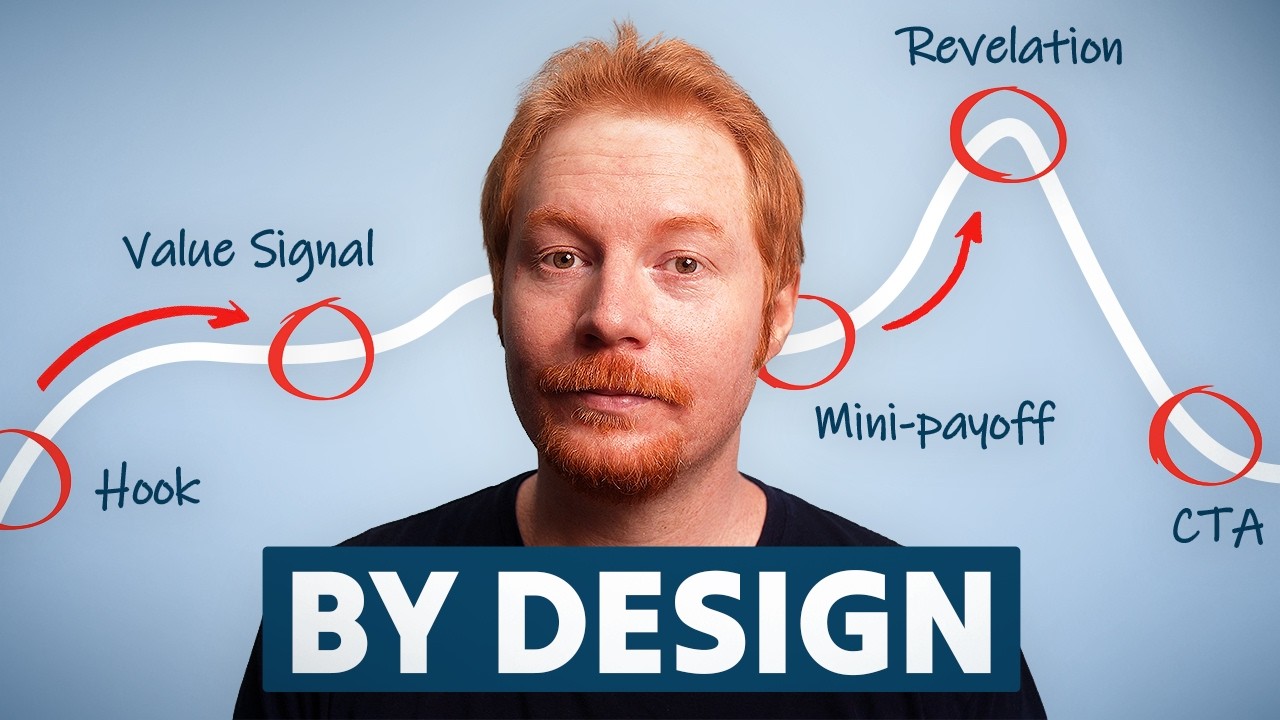
Why Some YouTube Videos Are Impossible to Stop Watching
S15 E7: More Website Design Lessons From the Best Brands

Website Design Lessons From the Best Brands

More Website Design Lessons From the Best Brands
