The Ultimate Guide to Discipline...
Summary
This video reviews key principles from Jocko Willink's 'Discipline Equals Freedom', focusing on discipline as an internal force and a path to freedom. It extracts actionable insights for consistently pursuing goals, managing setbacks, and culturing mental resilience. The content offers practical perspectives on overcoming procrastination and negative thought patterns to achieve personal development.
Key Takeaways
- 1Discipline originates internally; it is a conscious decision to commit to self-improvement.
- 2Exercising discipline involves performing tasks despite lack of motivation through 'going through the motions'.
- 3Procrastinating rest until tomorrow serves as a strategy to distinguish genuine need from desire for ease.
- 4Adopting the mindset of 'Good' reframes setbacks and failures into opportunities for growth and problem-solving.
- 5The 'I feel fine' assertion can alter internal states and encourage persistent action, especially in challenging situations.
- 6Consistent action, even when unmotivated, is crucial for sustained progress and achieving long-term goals.
Defining Discipline and Its Origin
Discipline serves as the foundation for all positive attributes, driving daily execution and overcoming laziness, lethargy, and excuses. It counteracts the temptation to postpone effort, such as delaying tasks until 'tomorrow' or seeking immediate rest. True freedom and personal growth—becoming stronger, smarter, faster, and healthier—are attainable solely through the path of discipline.
Discipline emanates from within. It is an internal force, a self-initiated commitment driven by the decision to make a significant impact on the world. A perceived lack of discipline indicates an unmade decision to become disciplined rather than an inherent inability. Embracing the relentless power of discipline enhances abilities and ultimately grants freedom.
Achieving discipline is a matter of direct action: to wake up early, wake up early; to work out consistently, work out consistently; to stop eating sugar, stop eating sugar. Asserting control over one's mind and emotions, for example, by not missing someone after a breakup, empowers individuals to do what they intend. While environmental tactics can nudge behavior, the fundamental choice to act remains central.
Overcoming Resistance Through Consistent Action
On days when motivation is low due to fatigue, weariness, or general disinterest, maintaining discipline requires proceeding with tasks regardless of how one feels. This approach, termed 'going through the motions,' means performing the activity even when enthusiasm is absent. For example, working out, tackling a project, or simply getting out of bed when reluctance is strong.
Though feelings of needing a break might be valid signals, delay taking that break until tomorrow. This strategy prevents succumbing to immediate gratification and distinguishes genuine need for rest from mere weakness. Often, the desire to rest is a call towards the 'path of least resistance.' By deferring rest, individuals overcome this weakness and maintain a disciplined trajectory.
Starting an activity often generates the motivation needed to continue. Even when not initially inclined to work, initiating the process—like preparing a workspace or setting up equipment—can shift one's internal state. This principle helps cross the 'hump' of procrastination, making difficult activities enjoyable once started. Consistent application of this principle can lead to significant long-term achievements.
Reframing Setbacks with the 'Good' Mindset
Dealing with setbacks, failures, delays, or disasters involves a simple, one-word approach: 'Good.' This perspective suggests that something positive can always emerge from negative situations. For instance, a canceled mission allows focus on another, a lack of new equipment promotes simplicity, or being passed over for promotion provides more time for self-improvement. Missed funding opportunities mean greater company ownership, and an undesired job outcome encourages gaining more experience.
Instead of dwelling on problems or becoming frustrated, acknowledge the reality of the situation and immediately seek solutions. This practice transforms obstacles into opportunities. For example, an injury can be seen as a needed break from training, and tapping out in training is better than doing so in a real-world scenario. Unexpected problems are chances to devise solutions.
Adopting this 'Good' attitude signifies continued life and fight. It implies that as long as one is breathing, there is potential to dust off, reload, recalibrate, re-engage, and go on the attack. This reframing mechanism, consistent with Hebb's law (neurons that fire together, wire together), strengthens neural pathways for finding positive aspects in challenges, making one less susceptible to being derailed by adversity. This counteracts the tendency to solidify negative thought patterns, creating a more resilient mental framework.
The Power of 'I Feel Fine' Affirmation
During SEAL training, despite extreme conditions like freezing cold, exhaustion, dehydration, confusion, or mental strain, the only acceptable response to "How do you feel?" is "I feel fine." This response, while seemingly trivial, is a neurological check and an affirmation. It implies that a diver on the surface, potentially having suffered neurological damage during an emergency, is coherent and able to articulate words requiring specific motor control.
Saying "I feel fine" eventually leads to believing it. This statement influences not only one's internal state but also the morale of others. When peers in similar arduous conditions hear this, it fosters a collective attitude of resilience and determination, as they perceive the speaker as having a positive outlook despite shared difficulties. This encourages others to adopt a similar mental stance.
While nuance is important—openly discussing feelings with friends is healthy—there are situations where this mantra is highly effective. When faced with procrastination or a lack of desire to undertake beneficial activities like exercising or working, affirming "I feel fine" can shift one's mindset. Emotions are fickle; over-analyzing every negative feeling can lead to inaction and avoidance of challenges. For those who tend to over-intellectualize or over-emphasize negative emotions, embracing 'I feel fine' can help ignore temporary discomfort and adhere to a plan, leading to greater consistency and achievement of goals.
FAQ
What is the main insight from The Ultimate Guide to Discipline?
This video reviews key principles from Jocko Willink's 'Discipline Equals Freedom', focusing on discipline as an internal force and a path to freedom. It extracts actionable insights for consistently pursuing goals, managing setbacks, and culturing mental resilience. The content offers practical perspectives on overcoming procrastination and negative thought patterns to achieve personal development. One important signal is: Discipline originates internally; it is a conscious decision to commit to self-improvement.
Which concrete step should be tested first?
Discipline originates internally; it is a conscious decision to commit to self-improvement. Define one measurable success metric before scaling.
What implementation mistake should be avoided?
Avoid skipping assumptions and execution details. Exercising discipline involves performing tasks despite lack of motivation through 'going through the motions'. Use this as an evidence check before expanding.
Related Summaries
10 Rules for Success in Life || Learn English With Motivation || Improve Your English ✅️

The Power of Self-Control - Master Self-Control || Improve Your English Fluency ✅️
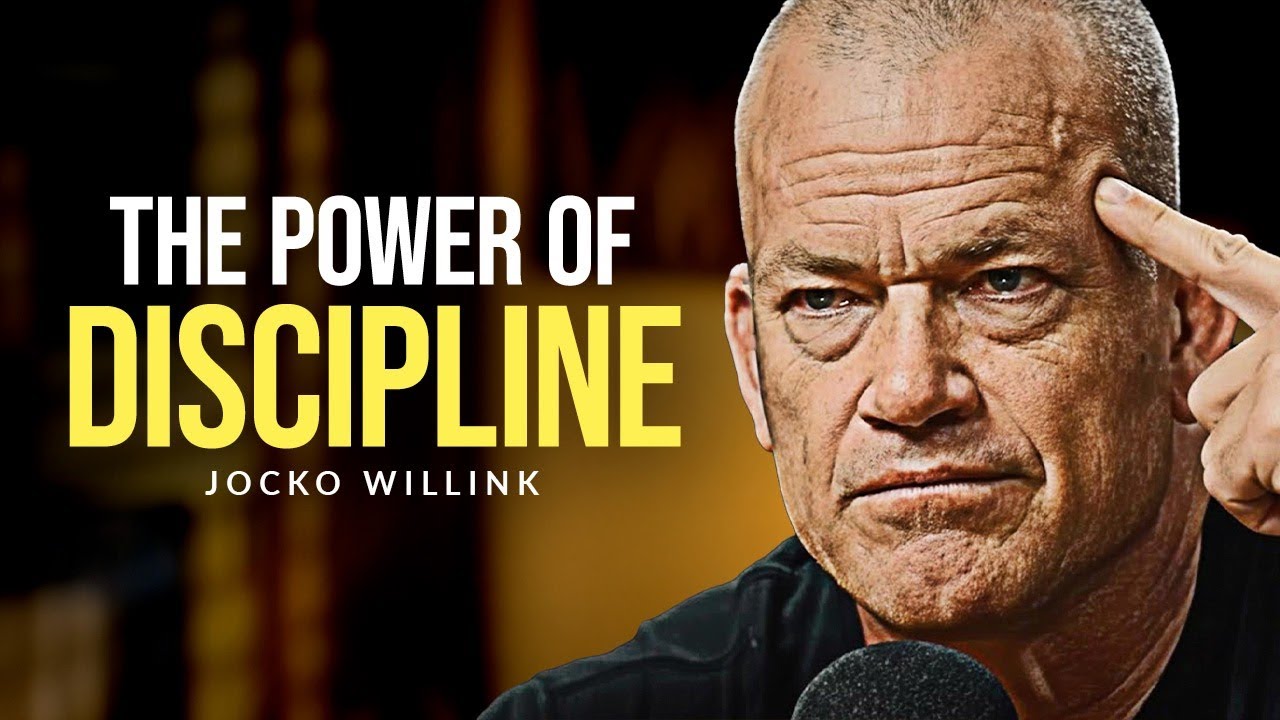
The Most Valuable 8 Minutes You’ll Hear Today | Jocko Willink Motivation

Fix Your Life - One Step at a Time || Graded Reader || Improve Your English Fluency ✅️

When Everything Is Falling Apart, Do THIS | The Bedros Keuilian Show E0177
Life is Short - It's Time to Wake up || Graded Reader || Improve Your English ✅️
Tom Brady’s Advice Will Leave You SPEECHLESS (MUST WATCH)
8 Tiny Habits That Made Me Rich

How to change your life by journaling in 2026
The Only 12 Minutes You Need To Master Self-Control & Purpose | Robert Greene Motivation

8 Small Habits From The Bible That Changed My Life
How To Think Like A Strategic Genius (5-Dimensional Thinking)

How to Change Your Life

BOUNDARIES by Henry Cloud and John Townsend Audiobook | Book Summary in English

7 Things Every Man Should Master before 30 | The Bedros Keuilian Show E0178

How to Talk to Anyone Without Freezing || Graded Reader || Speak English Confidently and Fluently ✅️

GRWM while I finally spill everything… where i’ve been, healing, & the truth

How to Stay Confident in Difficult Conversations | LIVE with Kwame Christian

528 Hz 🎧 BILLIONAIRE ”I AM" Affirmations For Wealth, Health, Prosperity & Happiness 2026