MindGem.ai
Get Started Free

YouTube Algorithm Shift: Browse-First Growth for Small Creators

15 minAI summary & structured breakdown

Summary

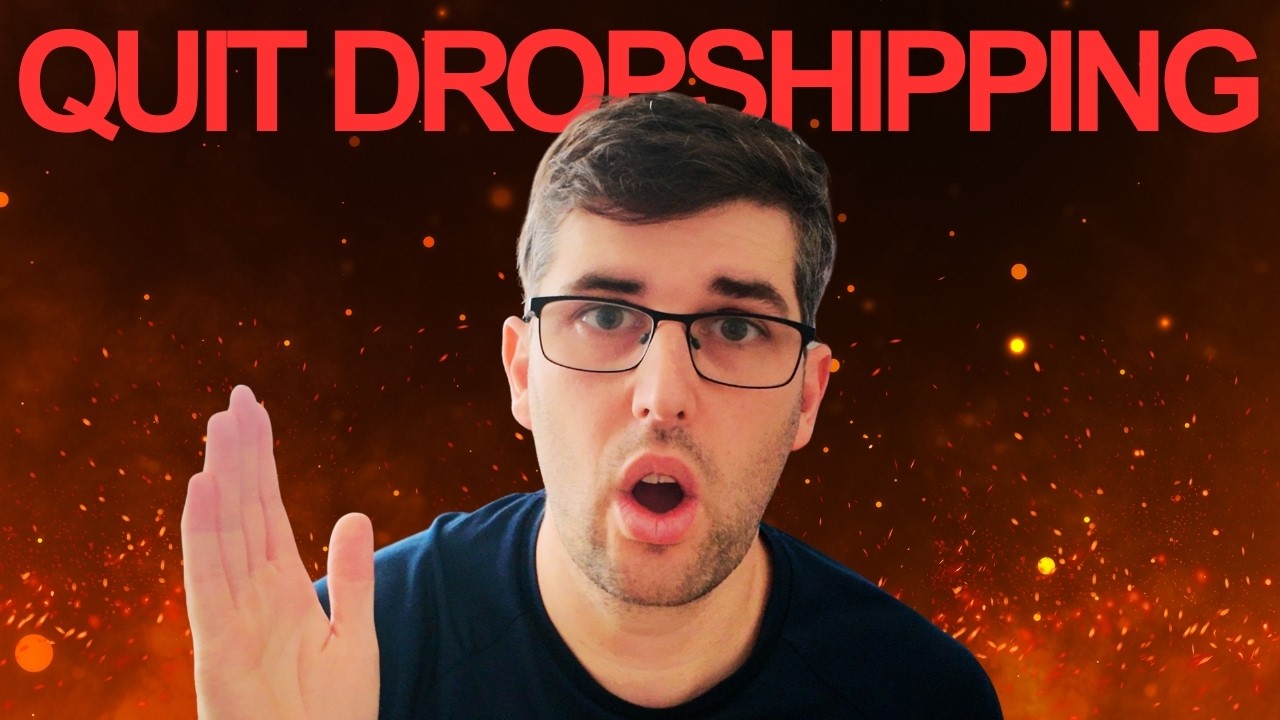
This video debunks outdated YouTube growth advice, emphasizing a shift from search optimization to browse-first content. It outlines strategies for small creators to achieve significant income and sustainable growth by focusing on audience acquisition, smart content creation, and consistent, high-quality output. The core message is to adapt to YouTube's current recommendation-driven algorithm and build a coherent content library.

Key Takeaways

  • 1
    YouTube has evolved from a search engine to a recommendation engine, with over 75% of views often coming from browse features.
  • 2
    Optimizing for search (SEO) is an outdated strategy, as search results quickly devolve into recommendations and shorts, offering a shrinking traffic slice.
  • 3
    Copying large creators is detrimental for small channels; instead, study successful channels of similar size to find relevant content ideas.
  • 4
    Shorts are not an effective growth engine for long-form content, as short-form viewers have different habits and watch time equivalency is extremely low (50 shorts for one 25-minute video).
  • 5
    Monetization does not require massive views or subscribers; significant income (e.g., $5K/month) is achievable with 1,000 views per video through targeted offers and services.
  • 6
    True consistency means showing up regularly, talking to the same audience, and producing 'good enough' content over a long period, rather than just posting on a fixed schedule.
  • 7
    Building a sustainable content system, like using tools for idea validation and thumbnail generation, is crucial for consistent output and avoiding burnout.

Debunking Outdated YouTube Advice

Many popular YouTube growth strategies are based on an older version of the platform that no longer exists. Advice like 'optimize for search' or 'post shorts to grow' can hinder progress for creators today. The speaker, who earns approximately $10K monthly from one video and one newsletter weekly, attributes success to abandoning these outdated methods.

The core issue is that YouTube has fundamentally changed its algorithm and user experience. What worked years ago, when YouTube functioned more like a search engine, is ineffective now. Creators need to understand these shifts to avoid wasting effort on strategies that yield minimal results.

Background context
The video highlights that optimization for search (SEO), once crucial, is now an outdated YouTube strategy due to the algorithm's shift.

From Search Optimization to Browse Positioning

YouTube is now primarily a recommendation engine, with browse and suggested traffic significantly outweighing search traffic. Analytics show that over 75% of views can come from browse features, indicating that content needs to be compelling enough to attract viewers who weren't actively searching for it. The old playbook of optimizing for keywords and SEO is becoming obsolete.

When users search on YouTube today, the initial relevant results are quickly followed by shorts carousels and personalized recommendations, often unrelated to the original search query. This demonstrates YouTube's goal is to find content users will watch, not necessarily the 'best' video for a specific term. Therefore, even ranking number one for a keyword offers a diminishing return.

Smart Content Ideation for Browse

To succeed in a browse-first environment, creators must make content that works when it lands in front of someone who wasn't looking for it. This involves researching ideas that are already gaining traction and identifying proven angles within a niche. Tools can assist in finding browse-worthy ideas by analyzing existing successful content and identifying gaps.

The process includes inputting titles and keywords related to a topic to see what's performing well and then using that data to build a unique angle. Thumbnail generation tools are also critical for packaging content effectively, as the thumbnail is the first visual signal that needs to stop the scroll and convey value.

Why Copying Big Creators Fails Small Channels

Copying content formats or styles from large creators is a common trap for small channels. Big creators have established audiences and can get away with less descriptive titles or intros because they are optimizing for retention of existing fans, not acquisition of new ones. A small channel attempting the same will appear amateurish and fail to attract new viewers.

Instead of modeling giants, small creators should study successful channels that are at or near their own size. This provides relevant insights into what works for an audience that is still growing and requires content that overcomes objections at every turn. Every second of a small channel's video needs to earn the next second, demanding a different content strategy.

Background context
Copying large creators is detrimental for small channels because big creators optimize for retention of existing fans, not acquisition, requiring a different content strategy for new channels.

The Ineffectiveness of Shorts for Long-Form Growth

YouTube Shorts are often promoted as a growth engine, but they do not effectively cross-pollinate to long-form content. It takes approximately 50 pieces of short-form content to equal the watch time of a single 25-minute long-form video. Short viewers typically have different viewing habits and are not inclined to transition to longer formats.

Shorts and long-form videos require fundamentally different hooks and content strategies. A short hook is 1-3 seconds of engineered visuals and text, while a long-form hook is 20-30 seconds of narrative. Spending time on shorts diverts resources from improving long-form content, which is more effective for building trust, connecting with an audience, and establishing a business.

Monetizing Without Massive Views

The belief that creators need tens or hundreds of thousands of views and subscribers to make significant money is false. The speaker transitioned from $50/month to quitting their job in four months with under 30K subscribers, demonstrating that monetization can precede massive channel size. The bottleneck is not size, but having something valuable to offer the right person.

Creators can earn substantial income (e.g., $5K/month) with as few as 1,000 views per video by implementing strategies like AdSense, sponsorships, affiliate marketing, and coaching. The key is to have the right offer for the right audience, delivered through content that resonates. This shifts the focus from 'getting big' to 'providing value'.

Redefining Consistency for Sustainable Growth

True consistency on YouTube is not merely about posting at a specific frequency (e.g., weekly or daily). Instead, it means showing up consistently, talking to the same target audience consistently, and producing 'good enough' content consistently over a long period. This approach builds a coherent content library and fosters compounding growth.

Sustainable consistency relies on systems and infrastructure, not just willpower. This includes having a structured workflow for brainstorming, idea validation, thumbnail creation, and scripting. By establishing such systems, creators can maintain output even on challenging days, ensuring a steady stream of content that meets a consistent quality bar for a defined audience.

Background context
True consistency on YouTube is redefined as showing up regularly, talking to the same audience, and producing 'good enough' content, rather than strict adherence to a posting schedule.

FAQ

What is the primary shift in YouTube's algorithm mentioned?

YouTube has evolved from a search engine to a recommendation engine, with over 75% of views often originating from browse features. This means content needs to attract viewers who weren't actively searching for it.

How much income can a creator make with a small YouTube audience?

Creators can achieve significant income, e.g., $5K/month, with as few as 1,000 views per video by implementing strategies like AdSense, sponsorships, and coaching. Monetization does not require massive views or subscribers.

Why does the speaker advise against using Shorts for long-form channel growth?

Shorts are not effective for long-form growth because short-form viewers have different habits, and watch time equivalency is extremely low (50 shorts for one 25-minute video). They distract from building trust and deep connections through longer content.

Key Learning

Adapt your YouTube strategy to focus on browse-first content by researching ideas gaining traction and identifying proven angles. Utilize tools for idea validation and thumbnail creation to stop the scroll and attract new viewers to your recommendations.

Related Summaries